
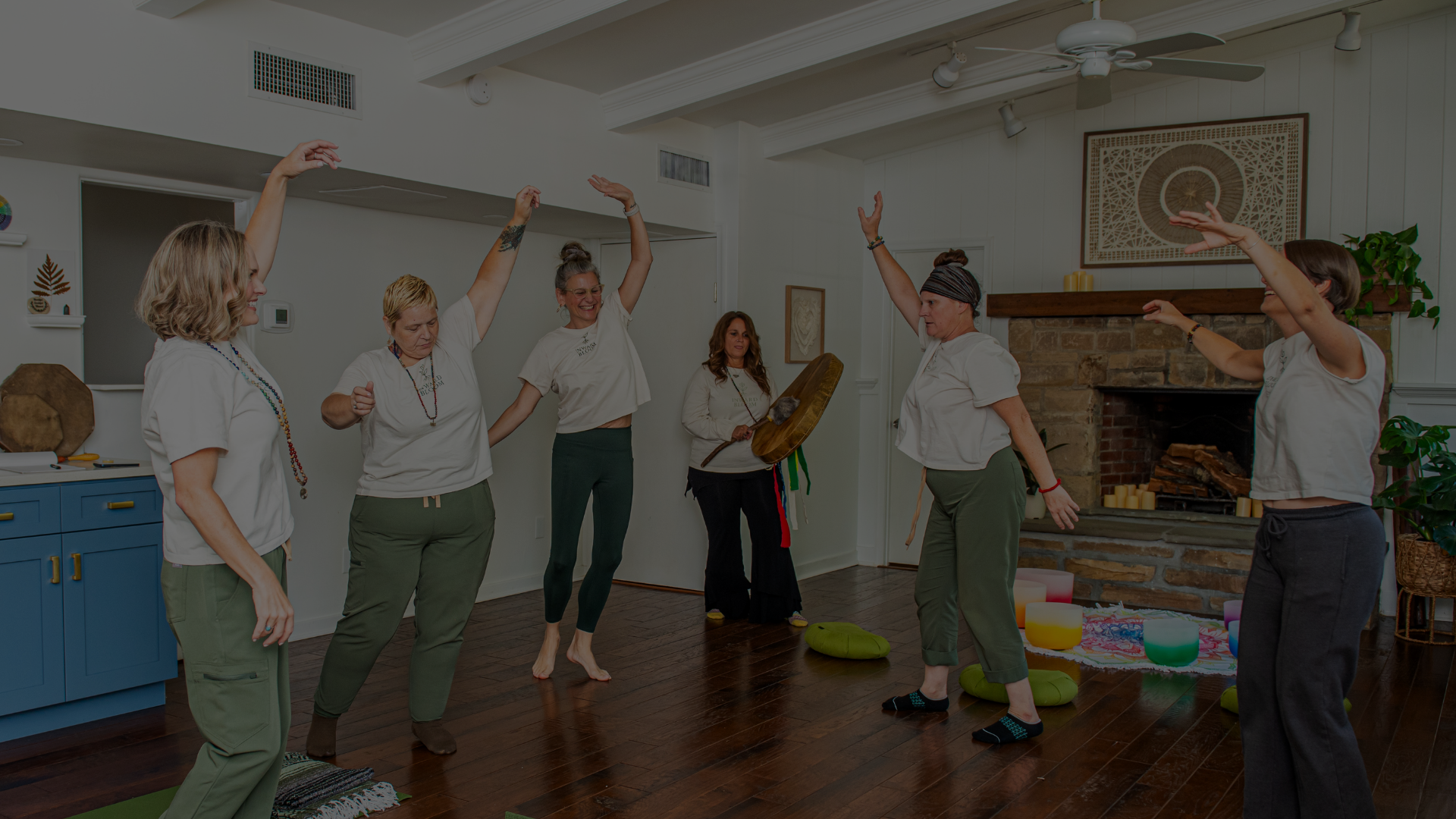
Trauma-Informed Care Model
A practical framework for delivering experiential and holistic programming safely, intentionally, and effectively within behavioral health settings.
At Inward Bloom, trauma-informed care is not a label we add to wellness services. It is the framework through which we design and deliver programming.
Our model combines established trauma-informed principles with years of direct behavioral health experience to guide how breathwork, mindfulness, movement, sound, somatic practices, nutrition education, and other experiential modalities are introduced and facilitated.
Grounded in Established Trauma-Informed Principles
The Inward Bloom Trauma-Informed Care Model is grounded primarily in SAMHSA’s trauma-informed framework.
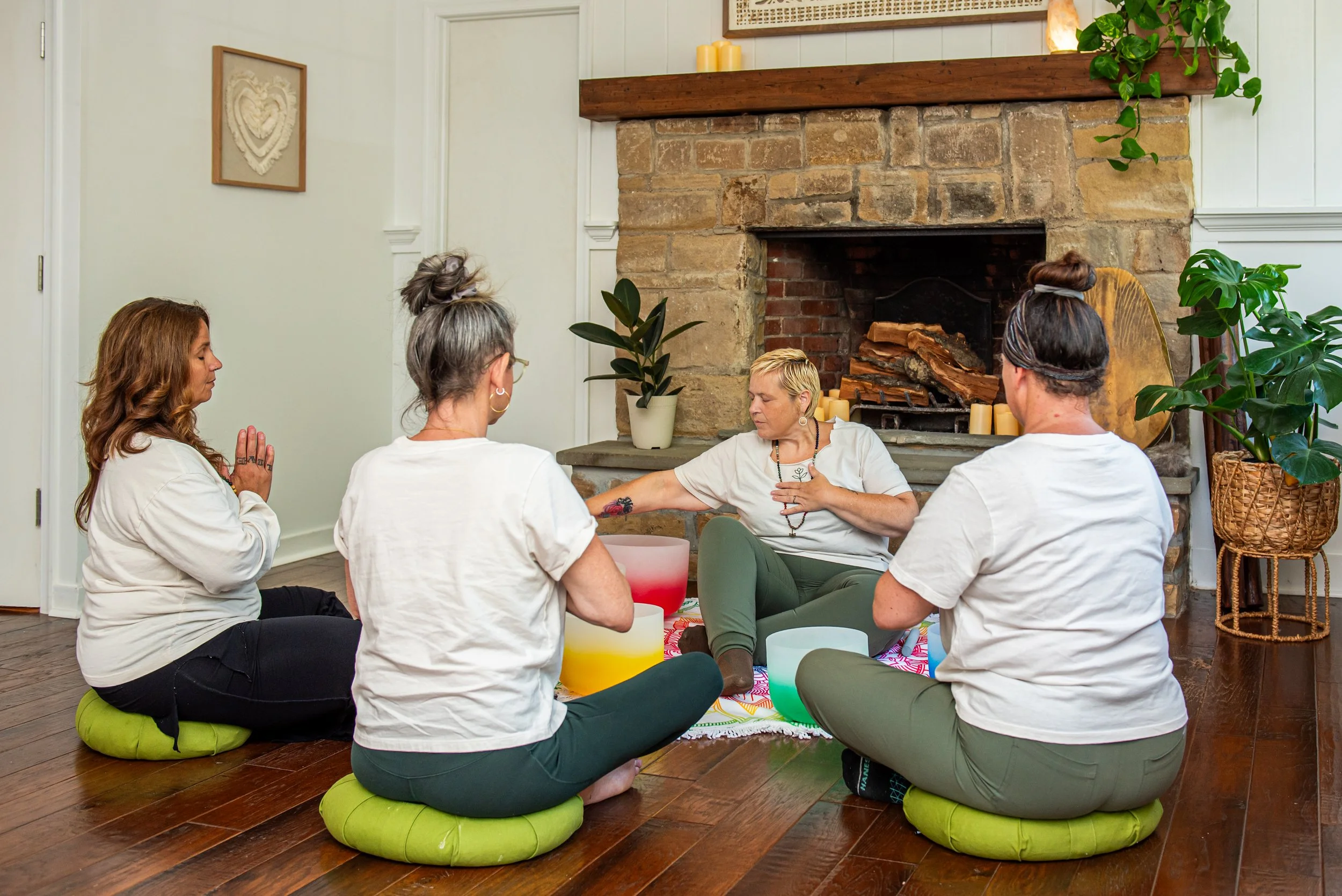
SAMHSA’s Four Rs
Realize the widespread impact of trauma
Recognize signs and symptoms of trauma
Respond by integrating trauma knowledge into practice
Resist retraumatization
Six Guiding Principles
Safety
Trustworthiness & Transparency
Peer Support
Collaboration & Mutuality
Empowerment, Voice & Choice
Cultural, Historical & Gender Considerations
Resources:
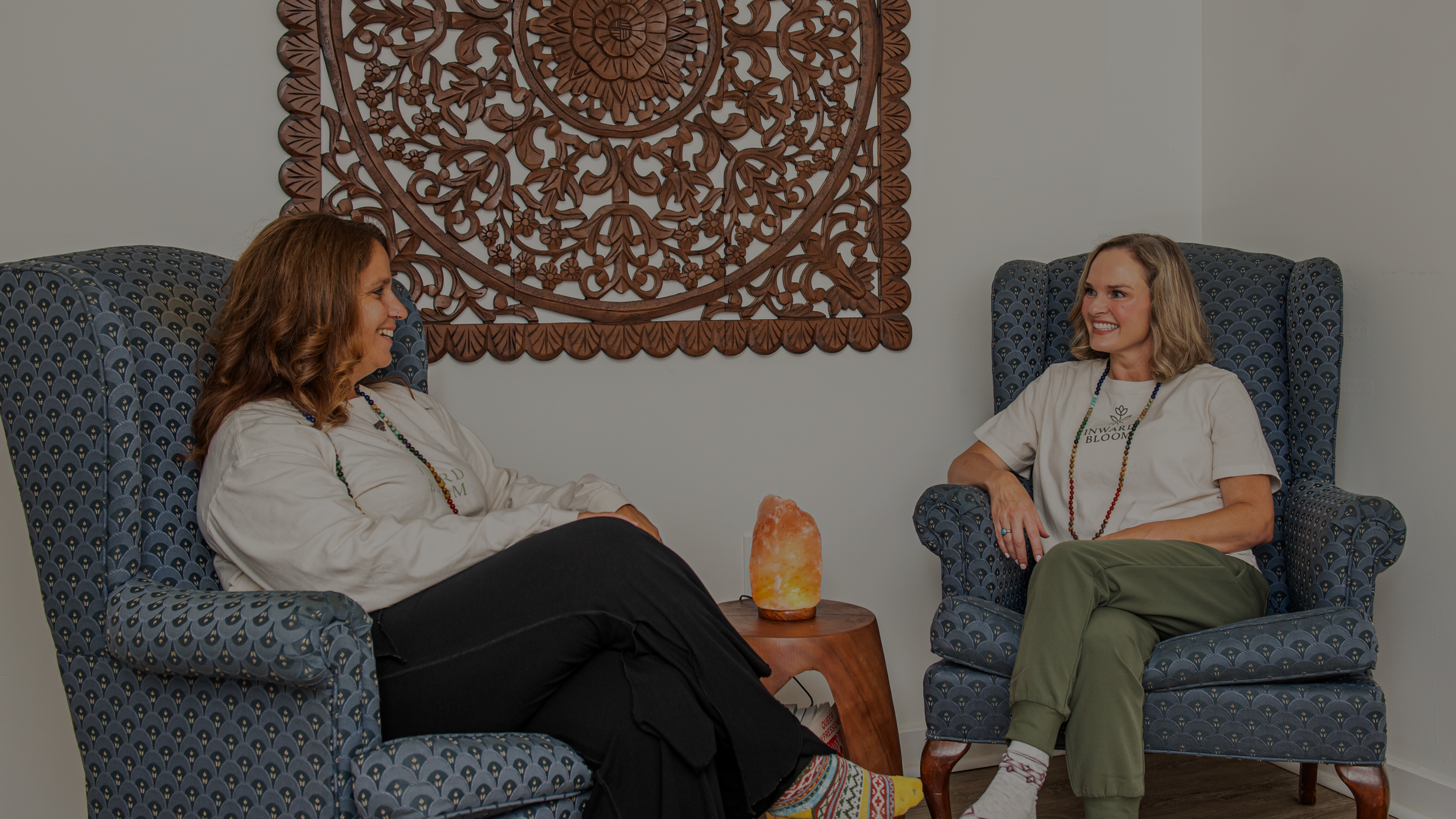
From Trauma-Informed Principles to Experiential Practice
Yoga, breathwork, meditation, sound, movement, and other holistic practices can be delivered in ways that either support or diminish someone’s sense of safety and autonomy.
A modality itself is not automatically trauma-informed. How it is delivered matters.
Safety Before Technique
Physical and psychological safety take priority over completing a particular exercise or modality.
Agency Over Authority
Facilitators encourage participants to notice their own needs, boundaries, and responses rather than telling them what they should experience.
Predictability & Transparency
Participants are told what to expect before practices begin and are guided through clear transitions.
Invitational Language
Facilitators use language designed to support autonomy, curiosity, and choice.
Awareness of Power Dynamics
Facilitators recognize the power dynamics that can exist in treatment and residential environments and intentionally protect participant dignity and autonomy.
Multiple Points of Entry
Practices can be modified to accommodate different comfort levels, abilities, treatment stages, and levels of engagement.
Choice Over Compliance
Participants are invited to participate and may modify or opt out of practices whenever appropriate.
Regulation Before Intensity
Practices prioritize grounding, regulation, and tolerable experiences rather than emotional intensity.
Trauma and chronic stress can affect more than thoughts and emotions. They can influence physiological arousal, attention, body awareness, emotional regulation, and perceptions of safety.
Why We Include the Body
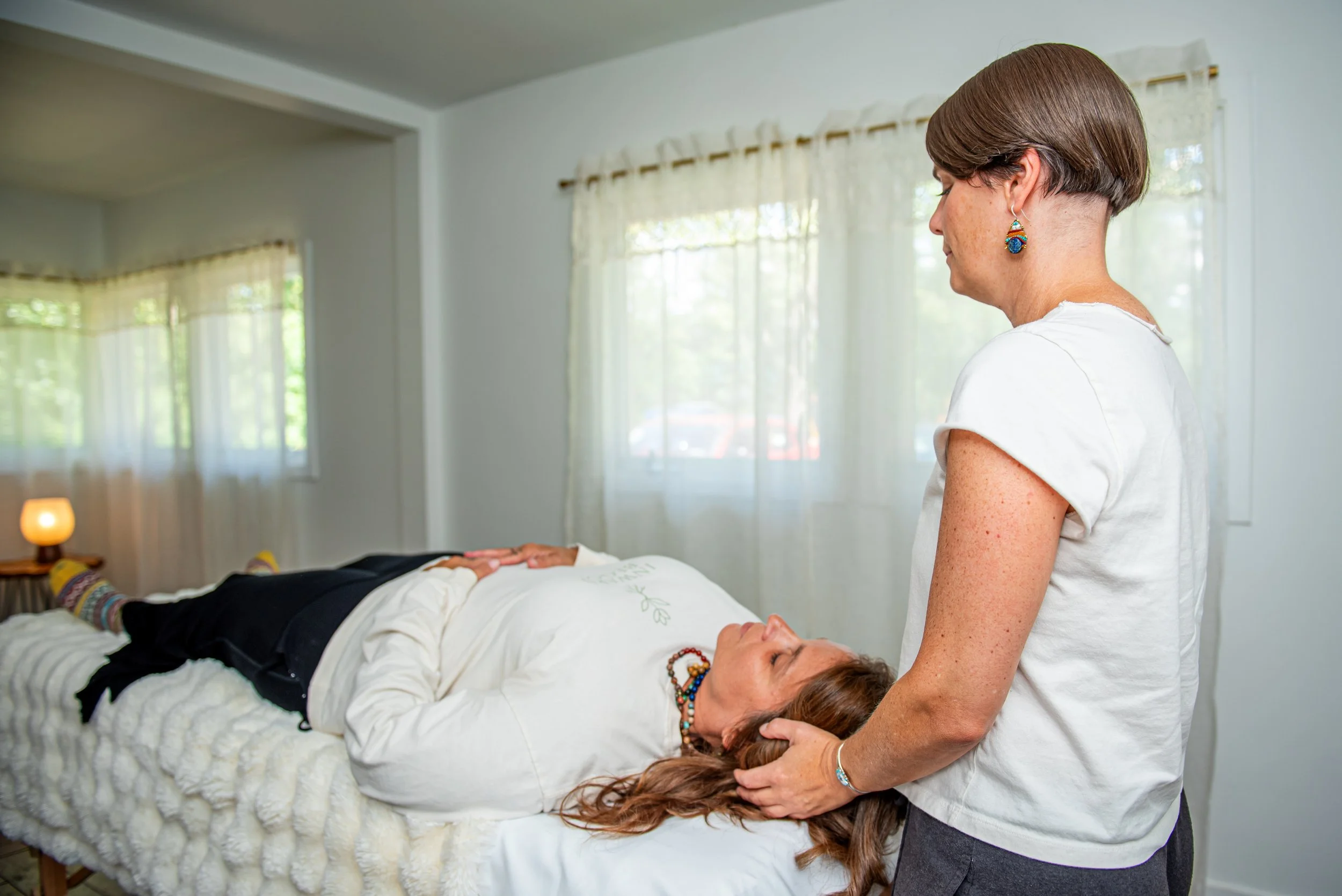
Inward Bloom programming may therefore incorporate:
Grounding and orienting
Breath awareness
Mindfulness
Meditation
Gentle movement
Somatic awareness
Yoga Nidra
Guided relaxation
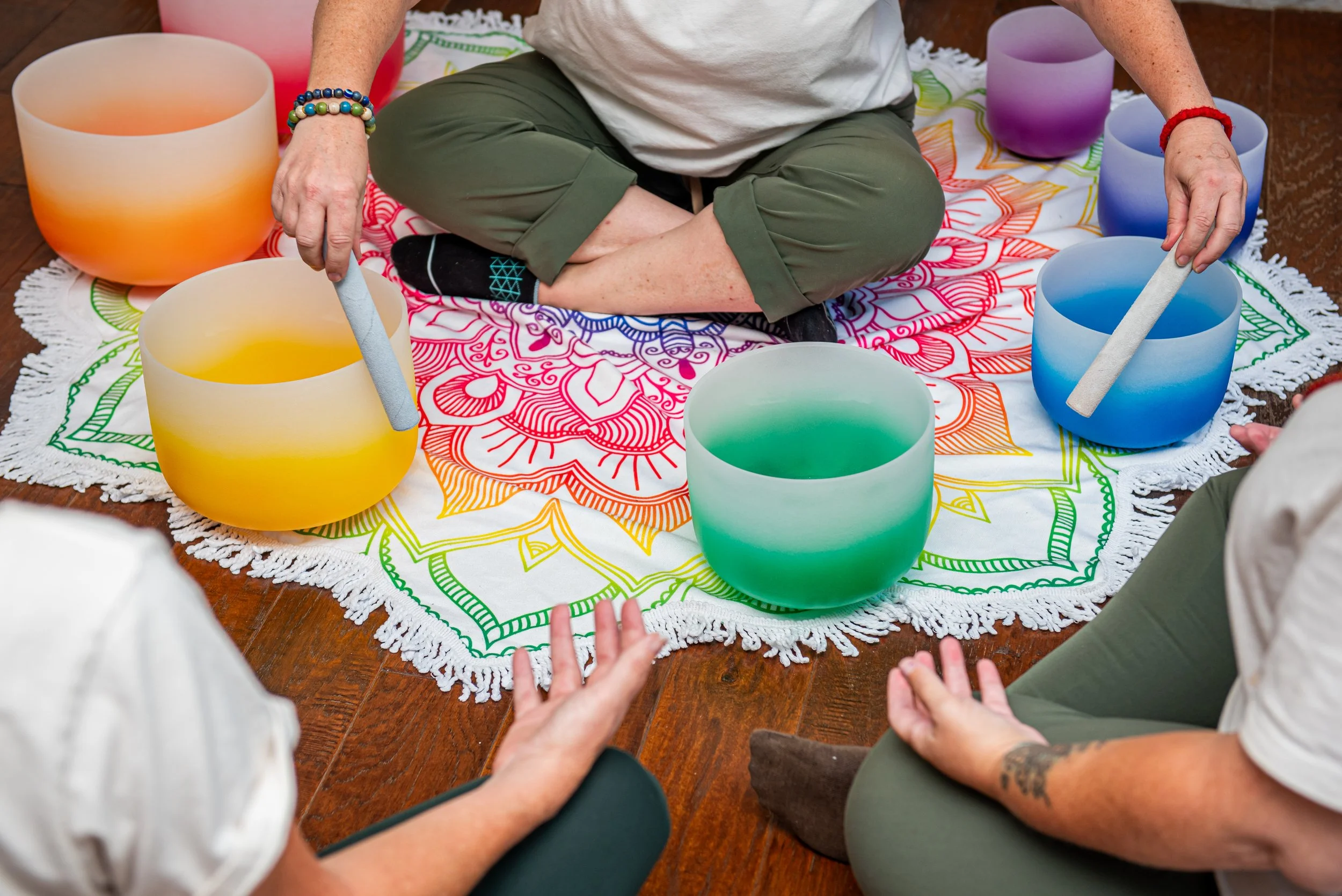
Sound-based relaxation
Sensory/body-awareness practices
These modalities complement—not replace—psychotherapy, medical care, or other clinical treatment provided by the organizations we serve.
Built From Behavioral Health Experience
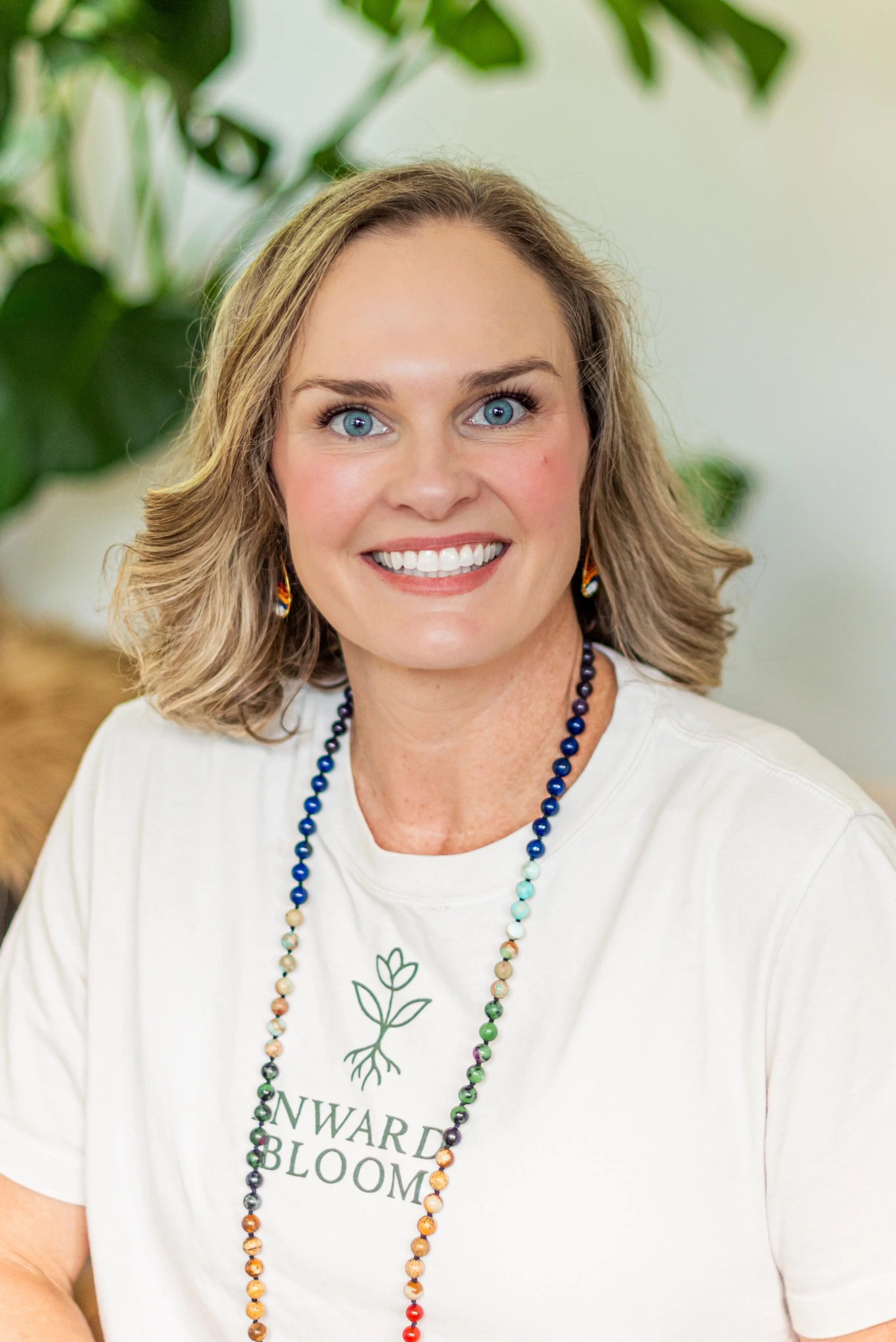
Inward Bloom’s approach was developed from years of direct behavioral health experience—not simply by applying trauma-informed terminology to wellness services.
Founder Maryanna Staerk, MPH, MBA, LDN, and Chief Holistic Officer Tamara McGovern, RN, bring approximately a decade of experience working with thousands of individuals across substance use disorder, mental health, eating disorder, and related behavioral health settings.
Our leadership has participated in trauma-informed education and professional development over multiple years.
In 2026, Inward Bloom participated in the Bucks-Mont Collaborative trauma-informed training initiative and was subsequently invited to participate in/co-host future trauma-informed training programming.
Our experience inside treatment environments informs how we adapt programming for different diagnoses, acuity levels, treatment stages, engagement levels, facility structures, and populations.
Designed for Real Behavioral Health Environments
Substance Use Disorder Treatment
Mental Health Treatment
Co-Occurring Disorders
Eating Disorder Treatment
Residential Programs
PHP & IOP Programs
Community Behavioral Health
Intellectual & Developmental Disability Services
Staff Wellness & Workforce Development
Programming is adapted to the population, level of care, clinical environment, and goals of each partner organization.
Aligned With the Direction of Pennsylvania’s Behavioral Health System
Pennsylvania DHS/OMHSAS recognizes trauma-informed care as an important component of the state’s mental health and substance-use service system and provides tools for developing and sustaining trauma-informed programs, policies, and practices.
Frameworks & Resources
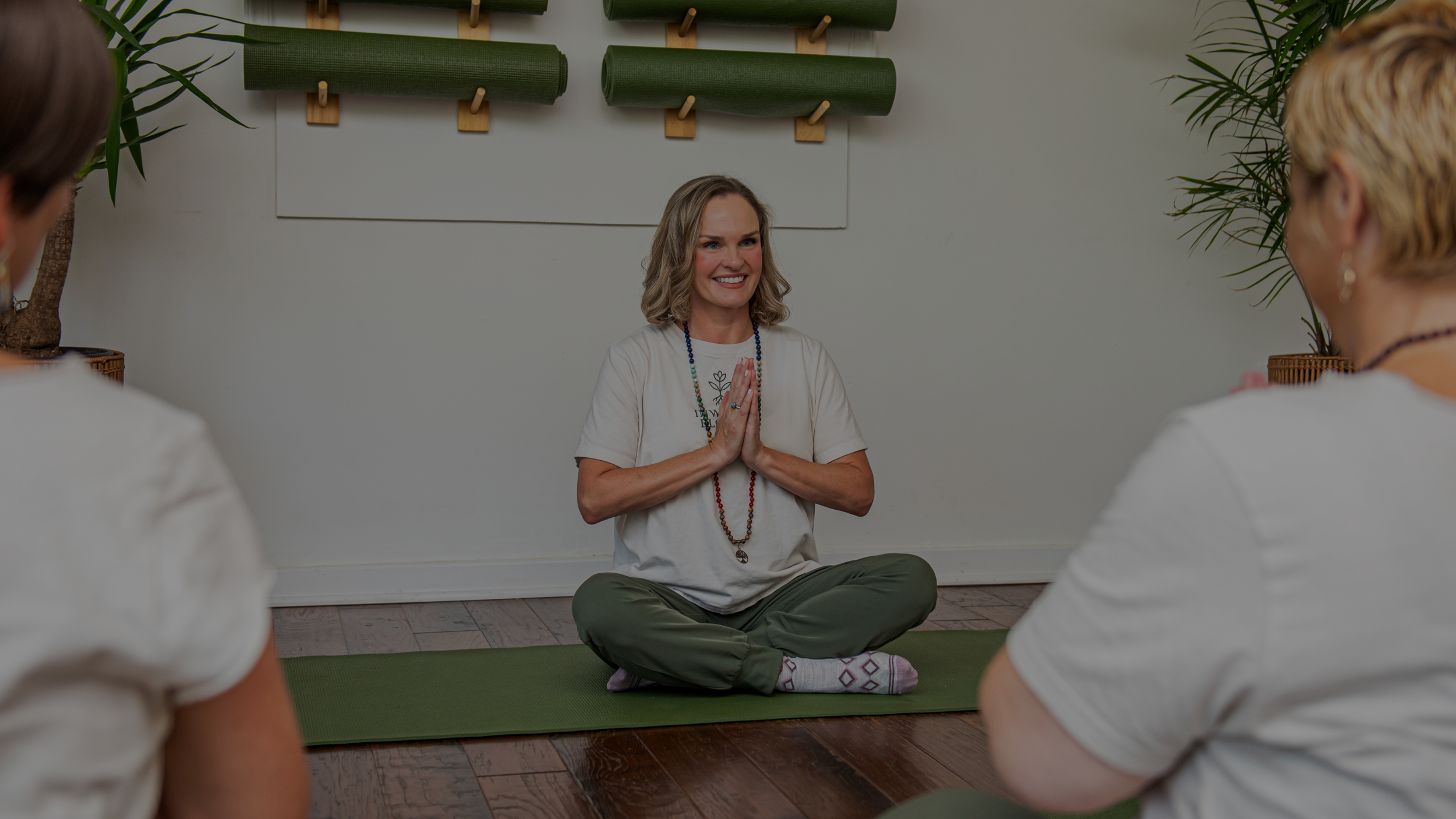
Our Standard
We do not consider a program trauma-informed simply because the modality is calming.
For Inward Bloom, trauma-informed programming means intentionally considering safety, autonomy, predictability, power, choice, regulation, cultural context, scope of practice, and the possibility of retraumatization throughout the entire experience.
This standard guides how we train our facilitators, design programming, and partner with behavioral health organizations.
Bring Trauma-Informed Experiential Programming to Your Organization
Whether you are looking for ongoing client programming, employee wellness, or experiential staff training, Inward Bloom can build programming around the needs of your organization and the population you serve.